← Alipta BallavUX Case Study

Cerner Corporation · Bangalore, India

Building a Design Practice
from 2 to 21

Cerner had no design presence in India. I was asked to build one inside the Bangalore Development Center — hiring designers, training them on healthcare standards, and transferring large-scale clinical design projects from the U.S. to India.

Role

Sr. Manager, User Experience

Timeline

2017 — 2022

Focus

Org design, design systems, healthcare UX

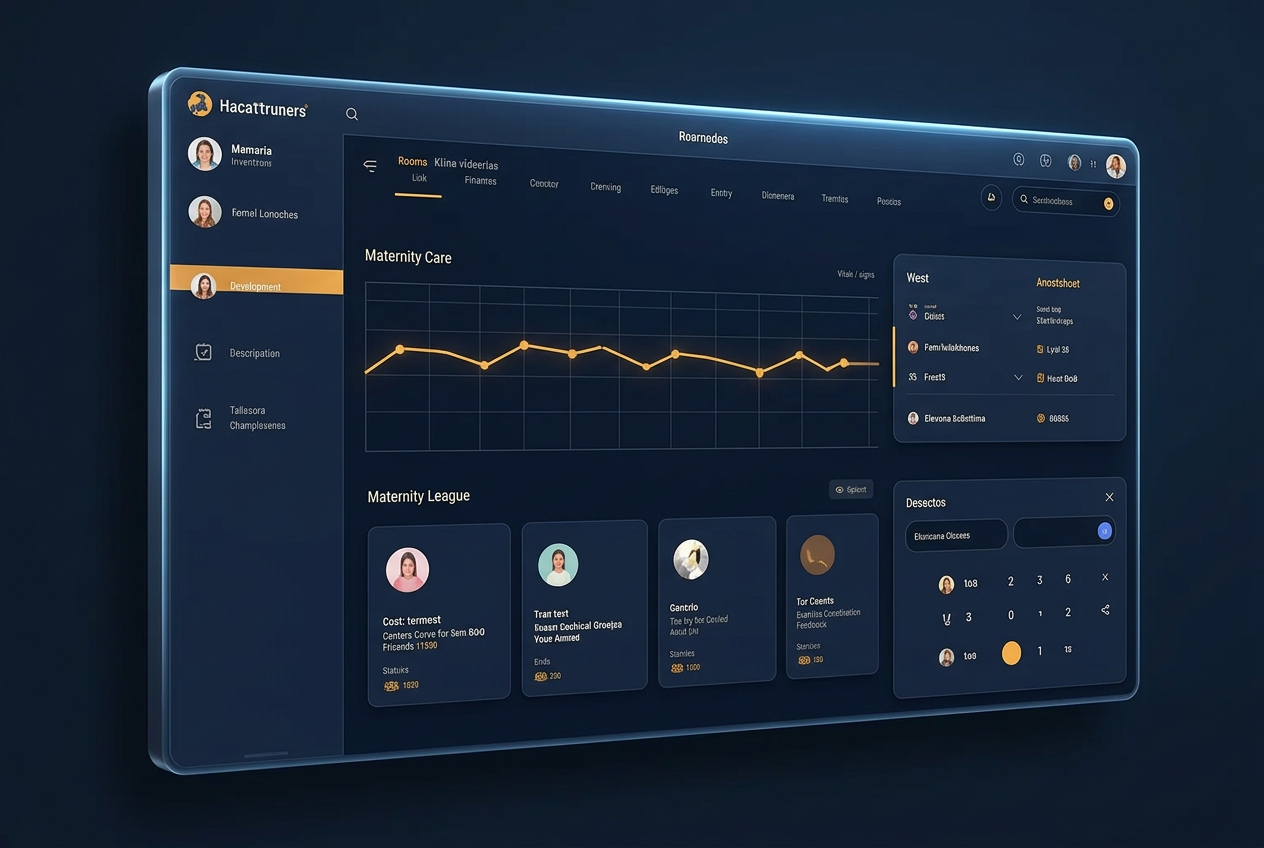
Cerner clinical dashboard concept showing pregnancy history timeline and dosage calculator widgets

Context

When Cerner decided to scale design inside its Bangalore Development Center, the starting point was essentially zero: no dedicated UX team, no established design culture, and no clear path for how clinical product work could be led from India.

My charter was to change that. I built the practice from the ground up — recruiting designers with the right blend of craft and systems thinking, then immersing them in the complexity of healthcare software: HIPAA awareness, clinical workflows, patient safety, and the regulatory rigor that enterprise health products demand.

Over four years, the team grew from 2 to 21 designers. More importantly, we moved the organization’s UX maturity from level 1 to level 3 — from ad-hoc design support to a recognized function that owned product outcomes and design-system contributions.

2 → 21

Designers hired and grown in Bangalore

L1 → L3

UX maturity attained in 4 years

4.2 → 8.3

Software Usability Score improvement

2

Major healthcare products shipped to market

Products Shipped

Major product deliveries from Bangalore.

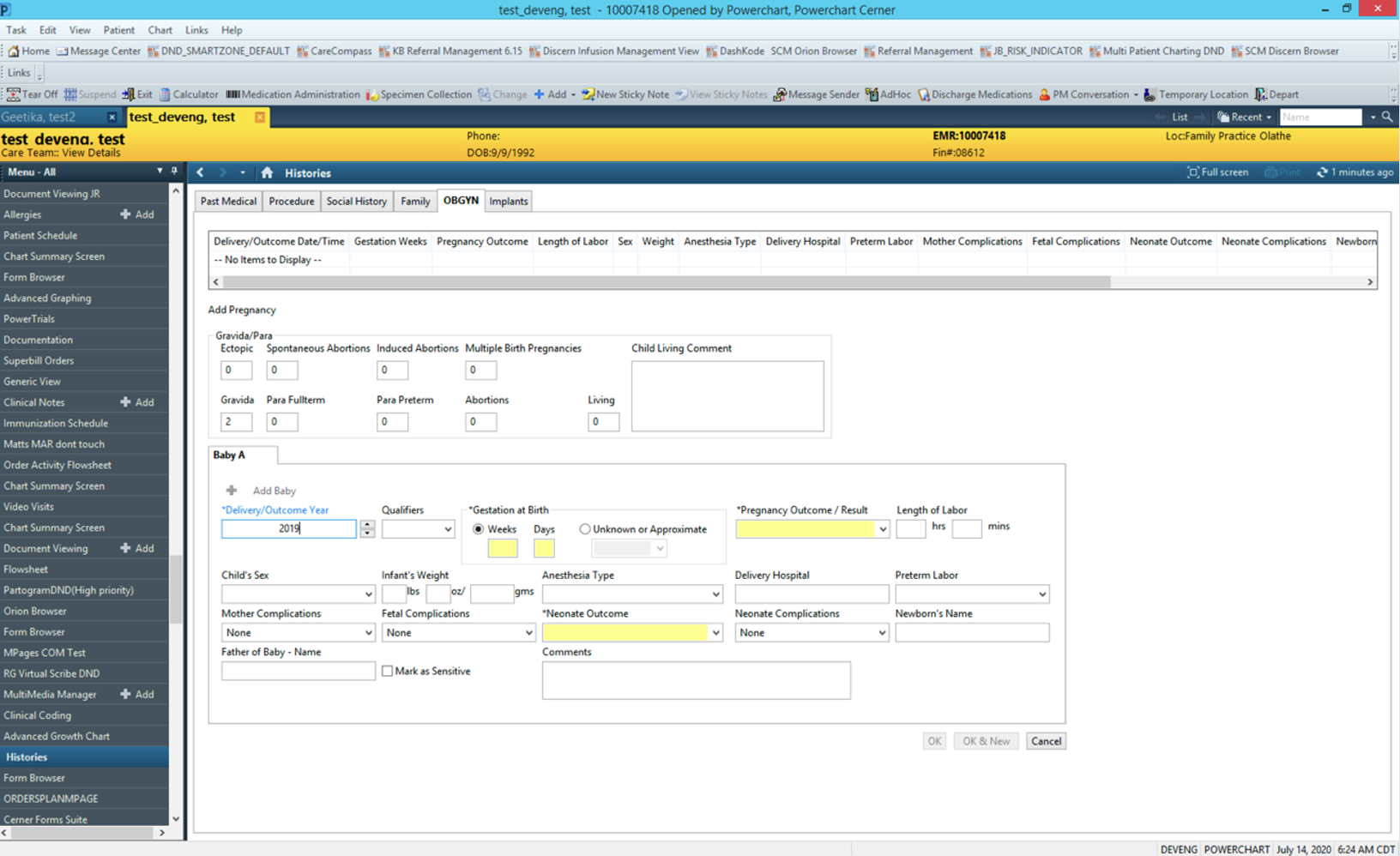
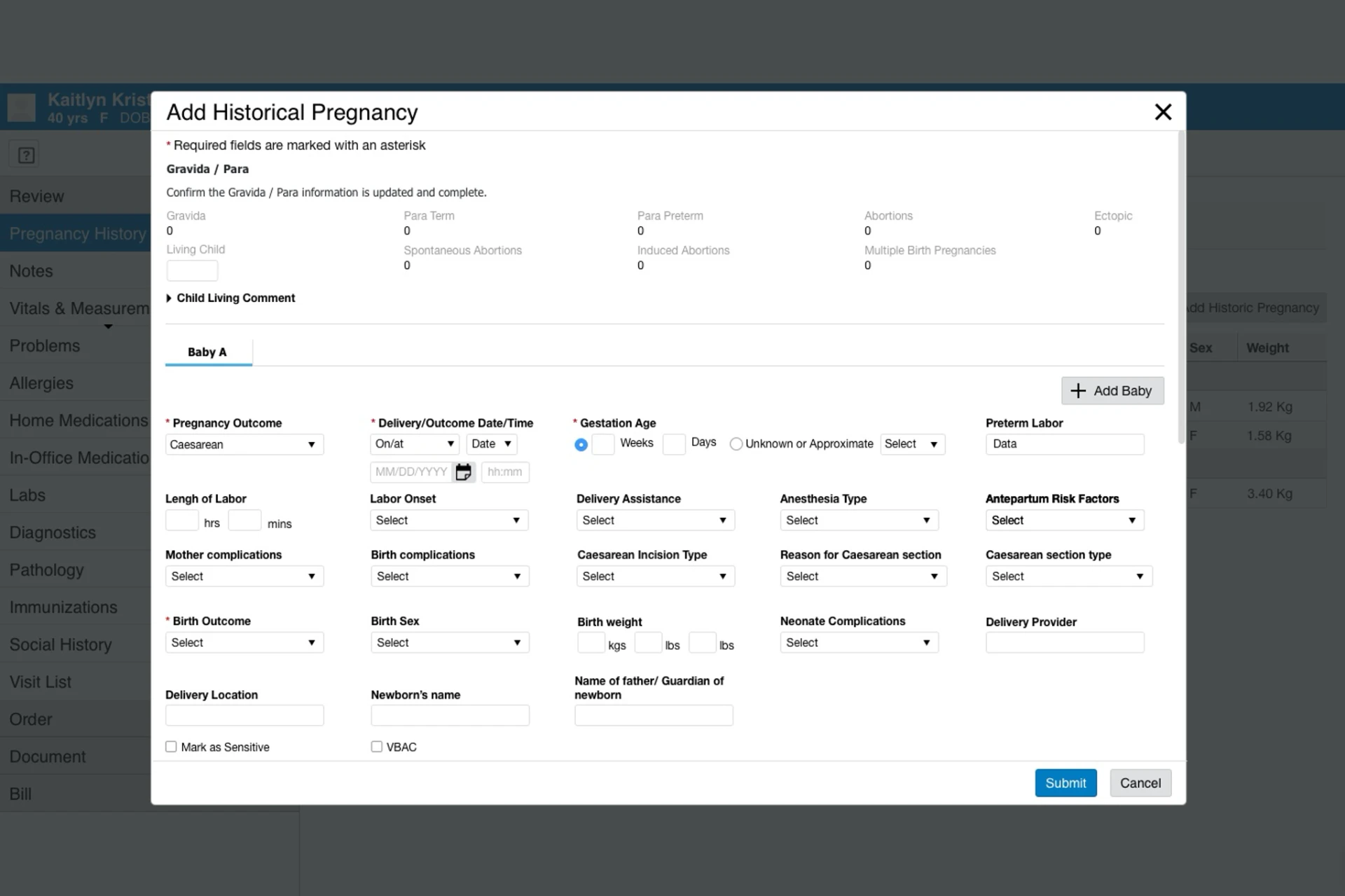
PowerChart Maternity

Pregnancy History

Business Need

Cerner applications were standalone and scattered. The goal was to unify them through single sign-on and bring a consistent user experience across women’s health workflows.

User Group

  • Women's health ambulatory nurses
  • Women's health nurses
  • Women's health physicians

Responsibilities

Led a team of designers from concept to finish — clinical workflow mapping, information architecture, interaction design and usability validation.

Outcome

Software Usability Score improved from 4.2 to 8.3.

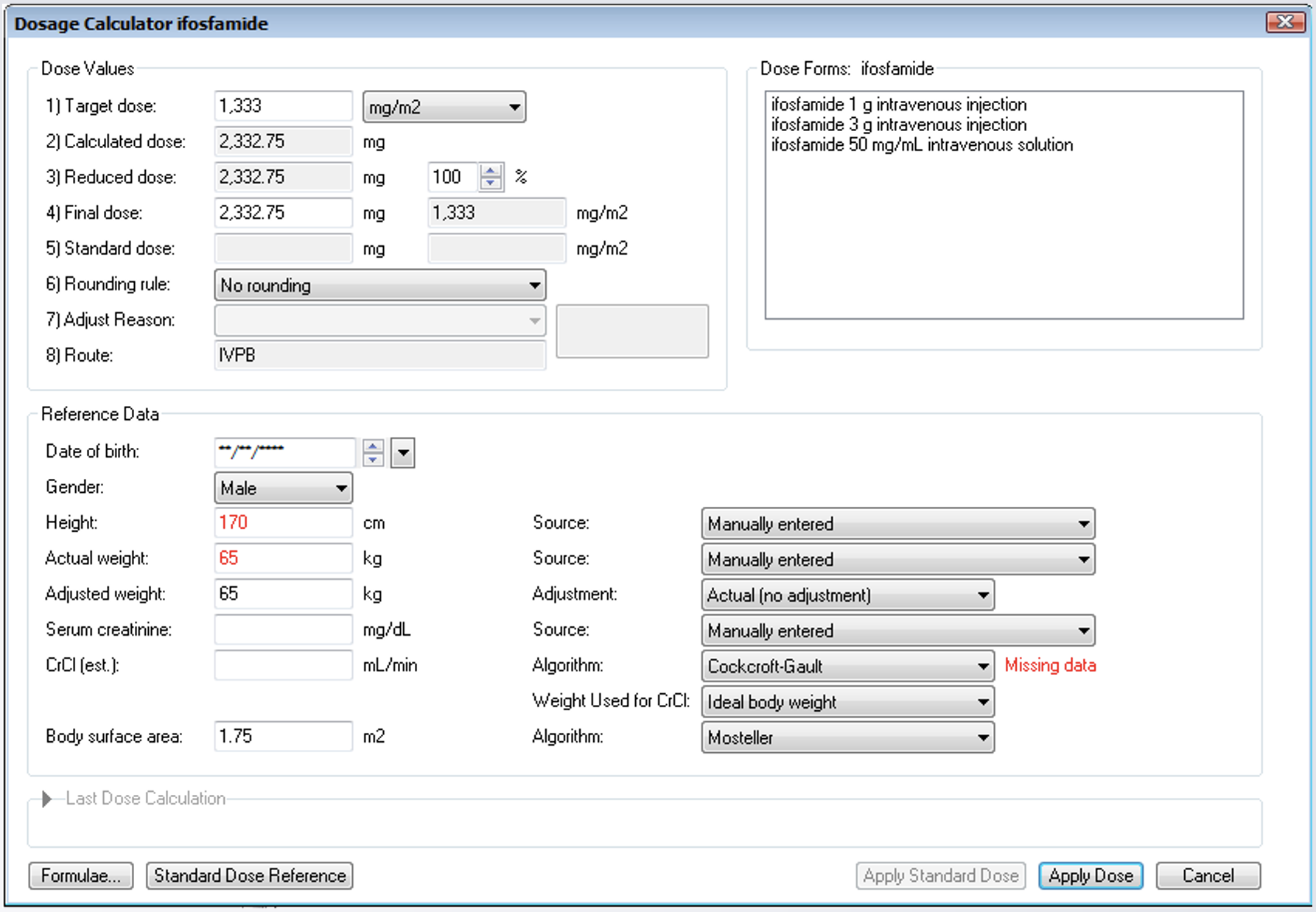
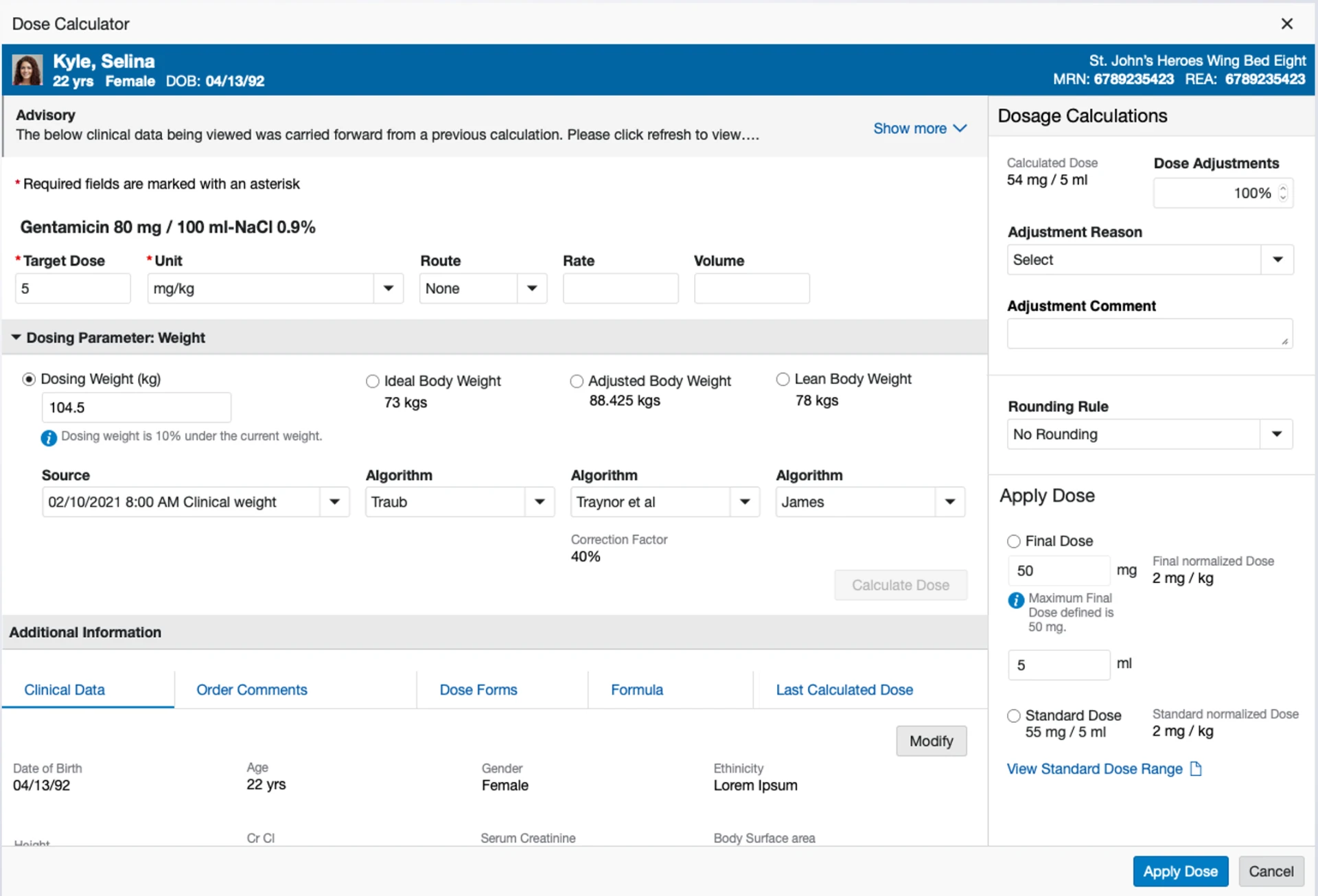
Pharmacy Medication Manager

Dosage Calculator

Business Need

This uplift was intended to improve overall usability of the application and address persistent customer complaints around medication dosing workflows.

User Group

  • Pharmacists
  • Oncologists
  • Nurses

Responsibilities

Led the design team end-to-end, from problem framing through iterative prototyping and final delivery.

Outcome

A safer, more usable dosage calculation experience adopted by clinical users.

* Software Usability Score is a composite mean score across parameters including Accessibility, Satisfaction, Patient Safety, Usability & Design, and Modernization (Effectiveness).

Design System Contribution

One Cerner Style Design System

Beyond product work, the Bangalore team contributed to the One Cerner Style Design System — the organization’s effort to create a unified experience across clinical and revenue-cycle products.

We adopted Atomic Design principles and focused on patterns that mattered at enterprise scale: List/Detail views, Tables, and Progressive Disclosure through popovers. My role was to lead the Bangalore effort for these selective patterns, ensuring they were clinically appropriate, accessible, and responsive.

Brainstorming and pattern discovery
Identifying best practices across Cerner products
Trend analysis in clinical and revenue-cycle UX
Section 508 accessibility compliance
Responsive UI design patterns

Reflection

Lessons from building a practice.

Hire for curiosity, train for domain depth.

Healthcare UX cannot be learned from screenshots alone. We paired design craft with clinical immersion so designers could reason about patient safety, not just pixels.

Ship early to earn trust.

The fastest way to prove a design practice belongs at the table is to deliver measurable outcomes. The 4.2 → 8.3 usability score became the proof point that opened bigger doors.

Maturity is a system, not a headcount metric.

Growing from 2 to 21 was visible, but the real shift was moving UX from a service function to a strategic partner embedded in product decisions.